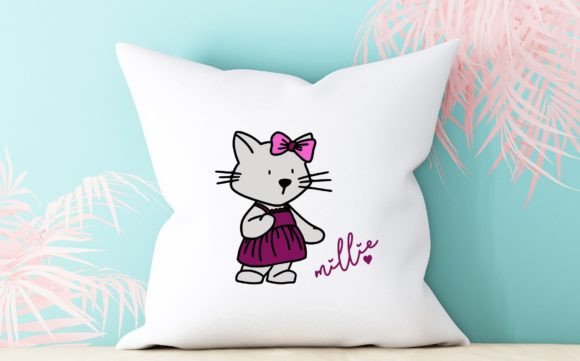
Millie the Little Cat
As a designer and embroidery product reviewer, I often find myself evaluating new designs with a critical eye—especially when they're intended for real-world use in custom apparel, handmade products, or commercial projects. Millie the Little Cat is one such design that caught my attention. It's a simple yet charming illustration that could easily become a staple in a variety of embroidery projects. But before jumping into using it, I wanted to take a closer look at how it performs in practice.
The First Impression
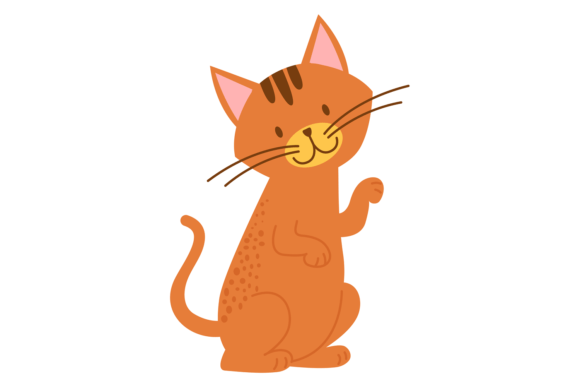
Millie the Little Cat has a soft, whimsical vibe that immediately evokes a sense of comfort and playfulness. The design features a small cat sitting cross-legged, with expressive eyes and a gentle posture. Its layout is clean and uncluttered, making it ideal for a range of applications. The level of detail is modest but sufficient for an embroidered piece that doesn’t require extreme precision. This makes it a good fit for beginner and intermediate embroiderers alike.
The visual personality of Millie feels approachable and friendly, which is perfect for items like baby clothes, tote bags, or personalized gifts. It’s not overly complex, so it won’t overwhelm the fabric or the viewer. That said, it’s also not too basic—there’s enough character to make it stand out as a unique design asset.
Real-Life Embroidery Performance
I tested Millie the Little Cat on a few different fabrics and project types to see how it would hold up. For a custom tote bag design, the cat looked great on light-colored cotton. The stitch density was manageable, and the overall appearance was crisp and clear. However, I noticed that on darker fabrics, the thread contrast needed careful consideration to ensure the design stood out.
When I tried it on a sweatshirt, the design worked well, but I had to adjust the stabilizer to prevent puckering, especially around the delicate areas like the cat’s ears and tail. For baby items, I’d recommend using a lighter stabilizer to avoid bulkiness, as these pieces are often more sensitive to texture.
On a patch, Millie came through nicely, though the corners of the design were slightly less defined than I’d hoped. This might be due to the hoop size or the way the design is structured. For smaller hoop sizes, I’d suggest simplifying the design or adjusting the stitch direction to maintain clarity.
Where to Use With Caution
While Millie the Little Cat is versatile, there are some situations where it might not perform as well. On textured or stretchy fabrics, the design can lose some of its definition, especially if the fabric moves during stitching. Thin or dark fabrics also require extra attention to thread color and stabilizer use.
For curved surfaces like caps or hats, the design may need slight adjustments to fit properly. If you’re planning to use it on a holiday gift or a commercial project, double-check the licensing terms to ensure it’s suitable for resale. Also, keep in mind that dense stitch areas can cause the fabric to pucker, so testing on scrap material is always a good idea.
Impact on Visual Appeal and Customer Perception
Millie the Little Cat adds a touch of charm to any project it’s used in. Its simplicity allows it to blend well with other elements, making it a great choice for layered designs or as a standalone feature. When used in a handmade product or personalized gift, it can elevate the perceived value and make the item feel more special to the recipient.
From a branding perspective, this design could work well for a small shop or Etsy seller looking to offer consistent, recognizable assets. It’s also a solid choice for printable mockups or digital product previews, as it maintains its clarity across different formats.
Practical Designer Notes
If you’re considering using Millie the Little Cat in your next embroidery project, here are a few things to keep in mind:
- Test the design on scrap fabric first to see how it looks and behaves.
- Check thread color contrast, especially on dark or light backgrounds.
- Review stitch density to ensure it’s appropriate for your chosen fabric.
- Confirm the correct hoop size for your machine and project.
- Inspect small details like the cat’s face and paws for clarity.
- Test the design in black and white mockups to see how it translates.
- Compare how it looks on different fabric types and colors.
- Use proper stabilizer to prevent puckering or distortion.
- Verify that the design works for both personal and commercial use.
- Confirm licensing before selling finished items or digital products.
Final Thoughts
Millie the Little Cat is a design that offers both charm and practicality. It’s well-suited for a wide range of embroidery projects, from custom apparel to personalized gifts. While it has some limitations in certain scenarios, its overall performance makes it a valuable addition to any designer’s toolkit.
Whether you’re an Etsy seller, a craft business owner, or just a hobbyist looking to add something unique to your collection, Millie the Little Cat is worth considering. Just remember to test it thoroughly and tailor it to your specific needs. After all, the goal is to create a finished product that looks great and stands the test of time.